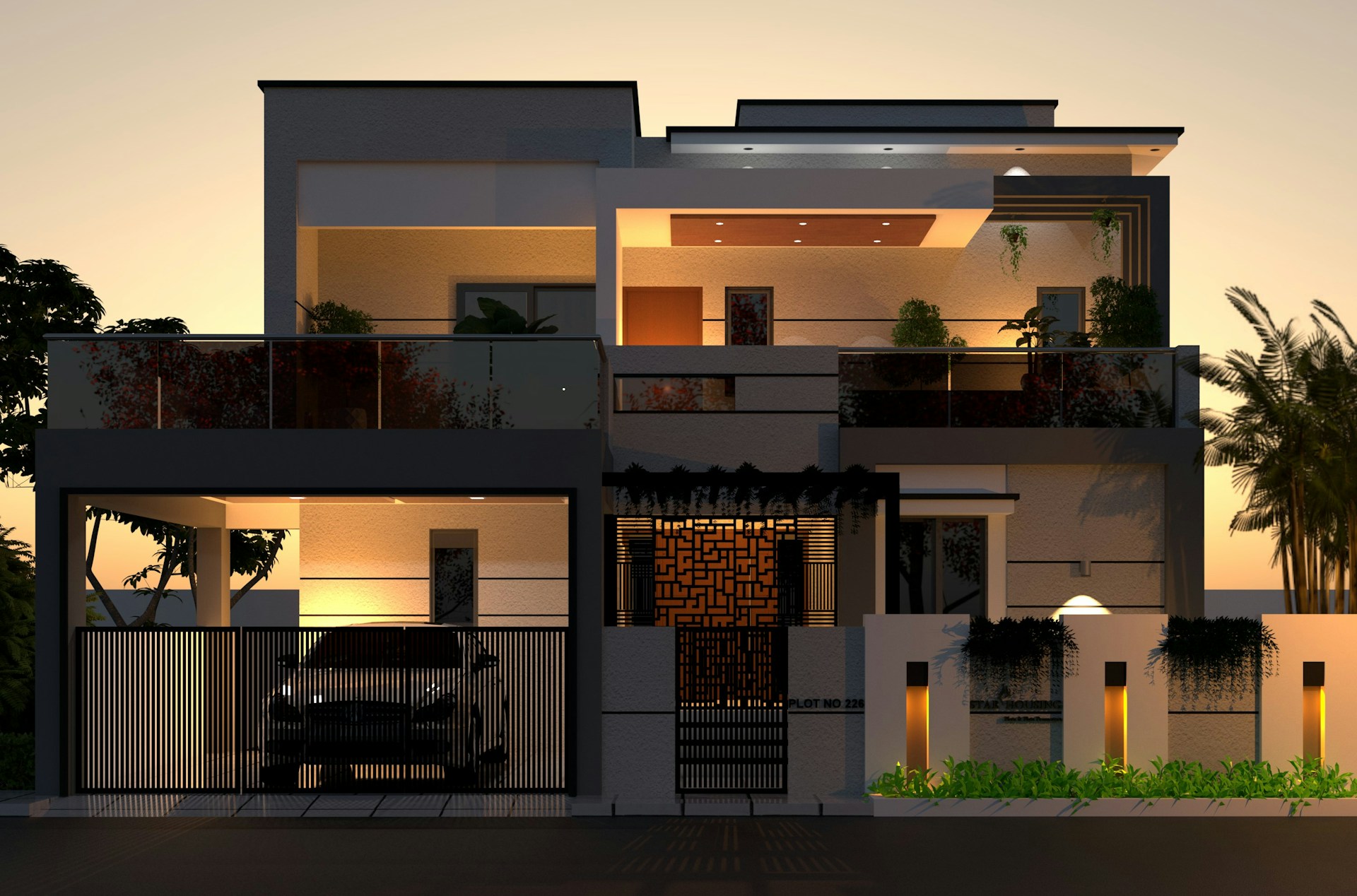
Buying a prefab home for modern living is more than just picking a stylish prefab model—it means considering functionality, sustainability, and how the house fits your lifestyle. From energy efficiency ratings to flexible floor plans, every detail counts when you want comfort without compromise. Resources like jolie offer valuable guidance on what specs to prioritize—whether it’s insulation, modular layout, or smart home integration—that can make a big difference in usability and resale value. Evaluating these factors carefully helps ensure that the home you choose isn’t just attractive, but also practical, durable, and aligned with contemporary living needs.
Quality of Construction and Materials
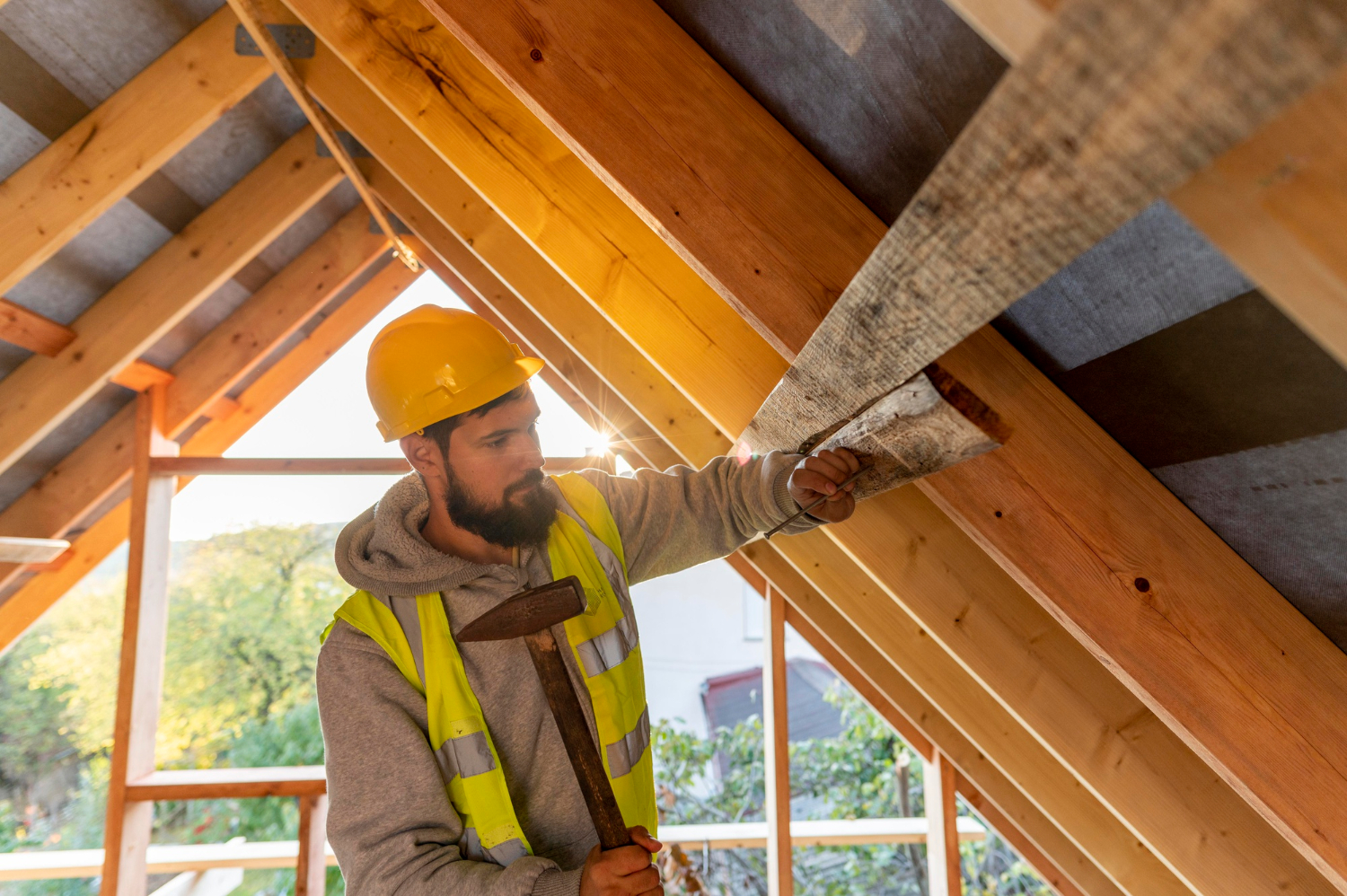 The first thing to check is the build quality. A prefab home should use durable materials like reinforced steel frames, cross-laminated timber, or energy-efficient insulation. Since much of the construction happens off-site, consistency and precision tend to be high, but not all manufacturers follow the same standards. Reviewing warranties, asking about factory processes, and even visiting a model home gives insight into durability. A strong structure not only boosts comfort but also increases resale value down the road.
Customization and Design Options
One of the major perks of prefab living is flexibility in design. Buyers should look for companies that offer customization in floor plans, finishes, and layouts. Whether it is open living areas, additional modules, or built-in smart technology, personalization makes the home feel truly yours. The best prefab homes balance efficiency with creative freedom, giving you a functional design without feeling generic. Considering how your lifestyle may change over time helps in selecting features that remain practical for years.
Energy Efficiency and Sustainability
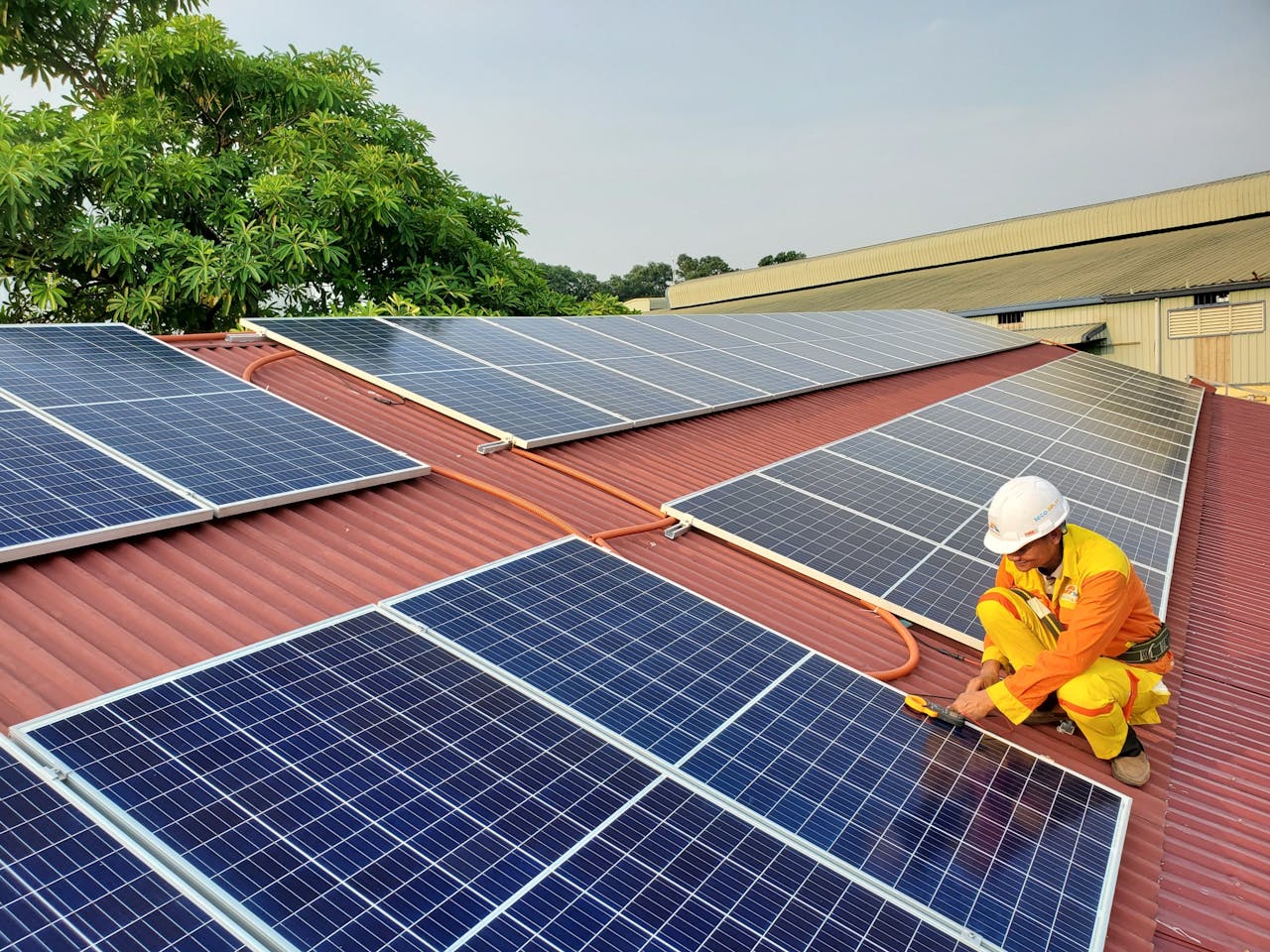
Modern living often goes hand in hand with eco-conscious choices. Prefab homes that integrate energy-saving windows, solar-ready roofs, and high-grade insulation pay off both financially and environmentally. Buyers should also inquire about sustainable materials and waste reduction practices during construction. These features not only reduce monthly bills but also make the home more attractive to future buyers. A prefab house that prioritizes sustainability reflects modern values while delivering everyday benefits.
Reputation of the Manufacturer
 The company behind your prefab home plays a critical role in your experience. Researching reviews, completed projects, and years of experience gives confidence in your investment. A reputable manufacturer will provide transparent pricing, clear timelines, and reliable after-sales support. Since prefab homes are still gaining ground in mainstream housing, working with a trusted company ensures the process runs smoothly from planning to delivery. Think of the manufacturer as your partner in building, not just a supplier.
Buying a prefab home for modern living requires a mix of practical thinking and long-term vision. Checking construction quality, exploring customization options, prioritizing energy efficiency, and choosing a reliable manufacturer are all key steps in the process. Each decision influences not only how you live day-to-day but also how your property holds value over time. With careful consideration, a prefab home can provide the perfect balance of comfort, sustainability, and style. It is more than just a house—it is a smart investment in the way you want to live.