
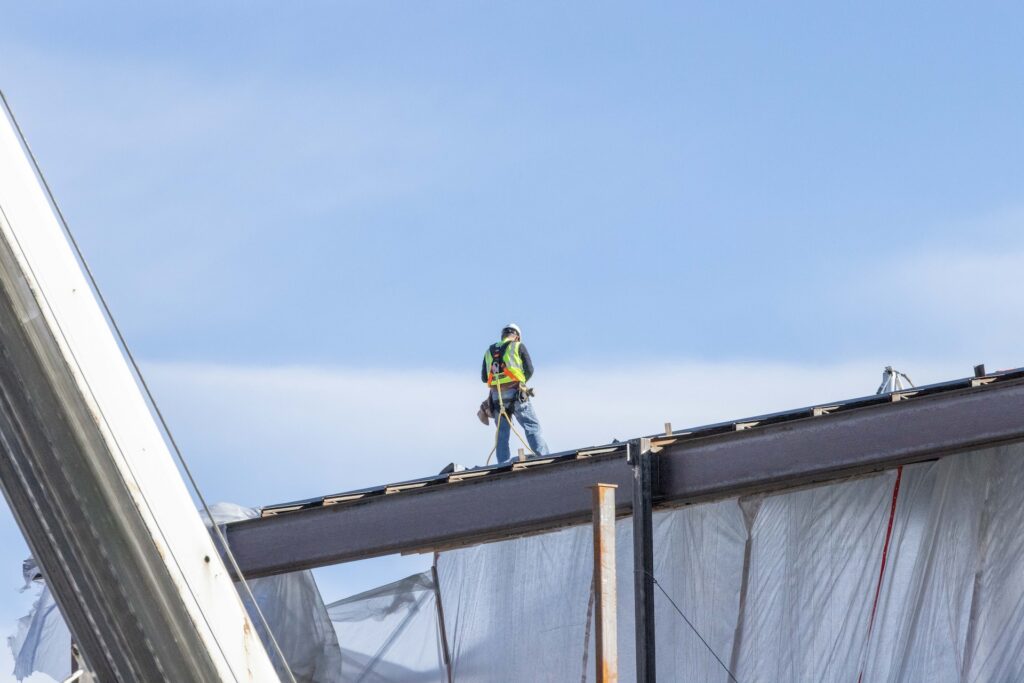
Hiring a Roof Inspector: What to Ask and Look For
It’s winter. And it’s time to really take care of your roof, so your roof will definitely take care of you and your whole family. After all, your roof is the first line of defense against the elements. The question is, how do you know if your roof is in good shape or not? The answer is to hire a professional roof inspector.
Now, you may ask, how do I find a reputable roof inspector? It’s not that hard if you really want to find the best team for the job. Just be sure to check out and ask these things to see if they’re legit.
Credentials and Experience
 When it comes to hiring a roof inspector, one of the first things you should consider is their credentials and experience. You want someone knowledgeable and skilled in assessing the condition of your roof. Look for inspectors who have relevant certifications or memberships in professional organizations. These affiliations indicate that they are committed to upholding industry standards. Experience is also crucial when choosing a roof inspector. Ask how long they have been in business and if they specialize in residential or commercial inspections. A seasoned inspector will have encountered a wide range of roofing issues over the years and will be better armed and equipped to identify potential problems.
Additionally, inquire about any specific training or continuing education courses they have completed. The roofing industry constantly evolves, with new materials, techniques, and safety regulations emerging regularly. A dedicated inspector from the best roofing twin cities mn stays updated on these changes so that they can provide thorough and accurate assessments.
References and Portfolio
Thoroughly evaluating their references and portfolios is also a must. This will give you insight into the quality of their work and how satisfied previous clients have been with their services. Start by asking the inspector for a list of references. Contact these individuals or businesses to ask about their experience working with the inspector. Did they find them reliable? Were they thorough in their inspection? Did they provide detailed reports? In addition to checking references, take some time to review the inspector’s portfolio. Look at examples of past inspections they have conducted and pay attention to any specific areas or types of roofs that they specialize in.
Insurance and Liability Coverage
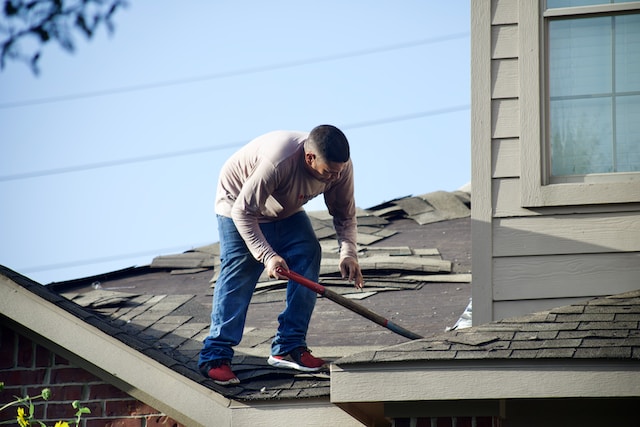
When hiring a roof inspector, it’s essential to inquire about their insurance coverage. Ask if they carry general liability insurance, covering all types of property damage or personal injury that may occur while they are on your premises. It’s also crucial to verify that their insurance policies are up-to-date and valid. Request proof of insurance certificates and make sure they cover the duration of the inspection period. Liability coverage acts as a safety net for both parties involved. If an accident were to happen during the inspection, you want peace of mind, knowing that all parties are adequately protected financially.
Scope of Inspection
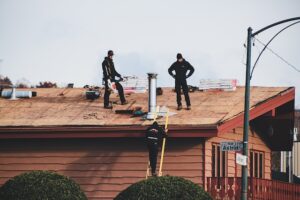 Last but not least, you need to understand the scope of their inspection. This will give you an idea of what areas and components of your roof will be assessed and evaluated. A thorough roof inspection should include a visual examination of the exterior, interior, and attic spaces. Additionally, the scope of inspection may cover other crucial aspects, like assessing the condition of gutters and downspouts to ensure proper drainage from your roof. Inspectors may also examine ventilation systems to ensure adequate airflow in your attic space. All in all, asking the right questions and looking for specific qualities are the keys to finding a qualified professional who will thoroughly inspect your roof and provide you with accurate information.…
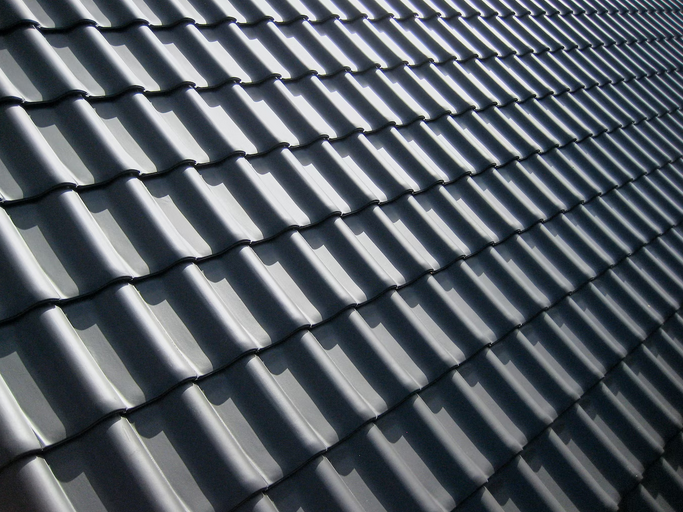
 High winds and severe weather can lift metal flashing, shingles up, and tiles. You will need to nail down the lifted shingles and reseal them back into the home’s roofing. If the longer piece of the roofing will remain lifted, then you are like to face worse problems.
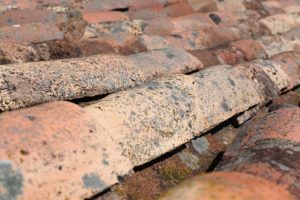 When the weather warms up, tiles and shingles expand. If there is no adequate room on the roof, then the shingles and tiles could run into each other. If you have a new roof, you should examine the shingling and tiling structure. Although roofing materials are tightly packed together, there should be a room so that they can move whenever exposed to the weather.