
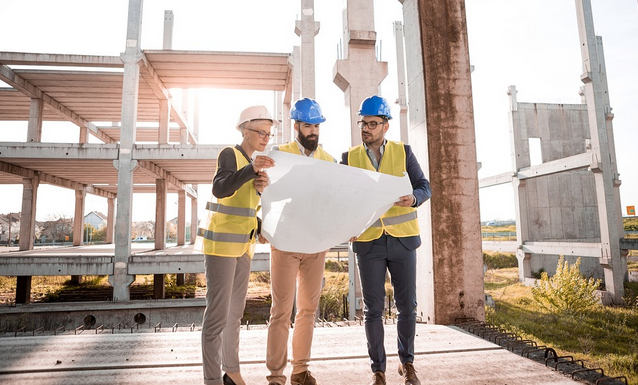
Reasons It’s Advisable to Practice Sustainable Construction
Construction, while essential for societal progress, is also associated with significant environmental impacts. However, the adoption of sustainable construction practices can help mitigate these negative effects. Sustainable construction targets to minimize the environmental footprint of buildings and infrastructure while promoting economic viability and social well-being. If you wish to learn more about this building practice, you can check out this Proplanta webpage. In this blog post, you will find compelling reasons why it is advisable to practice sustainable construction.
Environmental Preservation
One of the primary reasons for practicing sustainable construction is the preservation of our environment. Traditional construction methods deplete natural resources, generate immense waste, and contribute to air and water pollution. Sustainable construction, on the other hand, emphasizes eco-friendly materials, energy efficiency, and responsible waste management. By reducing carbon emissions, conserving water, and preserving natural habitats, sustainable construction promotes a healthier and more resilient planet.
Energy Efficiency and Cost Savings
Sustainable constructions are designed with energy efficiency in mind. These structures incorporate enhanced insulation, high-performance windows, energy-efficient appliances, and renewable energy systems like solar panels or wind turbines. By reducing energy consumption, sustainable buildings not only help combat climate change but also result in significant cost savings for occupants. Over time, these energy-efficient features can lead to lower utility bills, benefiting both homeowners and businesses alike.
Enhanced Indoor Air Quality and Health
Conventional construction materials often contain harmful substances such as volatile organic compounds (VOCs) and formaldehyde. These compounds can lead to respiratory problems and other health difficulties. Sustainable construction, however, prioritizes the use of non-toxic materials that promote better indoor air quality. Additionally, sustainable buildings incorporate proper ventilation systems that circulate fresh air, further enhancing occupant health, productivity, and well-being.
Social Responsibility
Sustainable construction contributes to social responsibility by addressing social needs and fostering community development. This approach emphasizes the use of locally sourced materials, engaging local labor, and investing in the local economy. By creating jobs, offering training opportunities, and supporting local businesses, sustainable construction projects can have a positive impact on the surrounding communities. Additionally, sustainable buildings can be designed to promote inclusivity and accessibility, ensuring that everyone benefits from the built environment.
Future-Proofing Investments
As climate change continues to pose substantial difficulties, sustainable construction approaches allow us to protect our assets in the long term. Buildings that are constructed for adaptation and resilience can survive the effects of extreme weather events such as storms, floods, and heat waves. Construction projects become better prepared for an unpredictable future by including sustainable elements such as rainwater collection, green roofs, and natural disaster-resistant materials.
The reasons to practice sustainable construction are numerous and compelling. By adopting environmentally conscious practices, we can preserve our planet, reduce energy consumption, improve indoor air quality, contribute to social well-being, and future-proof our investments. As the construction industry continues to evolve, we must prioritize sustainability to create a greener and more sustainable future for generations to come. Embracing sustainable construction is not only advisable but also necessary to build a better world.…
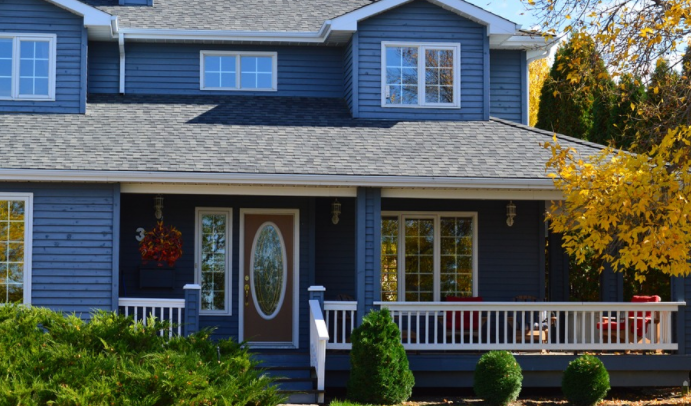
 A home is the most significant investment a person can make in their life. When it comes to selling your home, the crucial question is: “Am I getting a fair price for my home? Many people choose to sell their property “For Sale By Owner” (FSBO) to maximize their return and save money. It may seem simple until you realize the amount of work involved and the uncertainty. Here are the questions to ask yourself if you want to sell your home. What is the right price? How can I market my home? How can I make sure I only deal with qualified buyers? Will it lead to a final sale?
 Sellers and agents need to be aware that viewings may involve short-term inquiries or same-day changes. Sellers who fail to give 24-hour notice may lose many potential buyers. When showing properties to clients, you should notify tenants well in advance. Remember that properties and homes that are difficult for real estate agents to show up do not get as many calls as easy to show. As a real estate agent, it is essential to deal with sellers who make showings difficult. You should tell sellers that if they make it difficult to sell their property, they will reduce the number of potential buyers.
 Many men and women seek the support of real estate brokers, which isn’t an excellent beginning. However, get an independent attorney that will represent you. If the attorney represents you, it means you’re well-protected out of making any mistakes in the future.