The way people imagine their dream homes is changing. Streaming platforms have transformed more than entertainment habits—they have influenced how people view architecture, interiors, and modern living. Through popular home renovation shows, design documentaries, and lifestyle content, viewers are increasingly exposed to stylish, efficient spaces. Home-focused shows on Netflix have made innovative architecture and interior design accessible to millions of viewers, instead of seeing custom-designed homes as something reserved for luxury. This shift has helped fuel growing interest in prefab homes, which combine contemporary design, sustainability, and faster construction methods.
How Netflix Changed the Way We See Homes
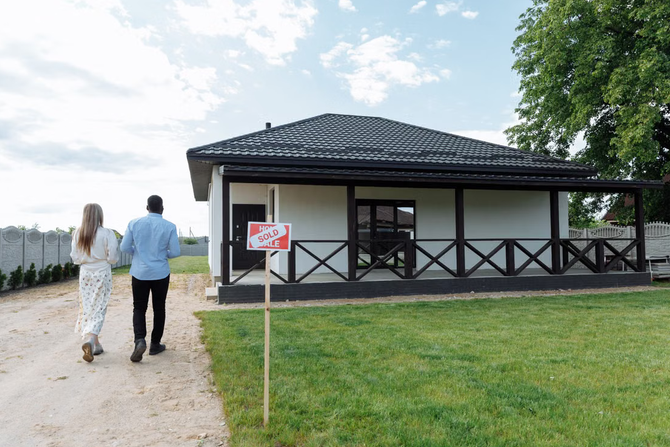
Home-focused shows on Netflix have made innovative architecture and interior design accessible to millions of viewers. Instead of seeing custom-designed homes as something reserved for luxury markets, audiences now expect smart layouts, beautiful finishes, and personalized spaces. The visual appeal of these programs has created a stronger desire for homes that are both functional and aesthetically impressive. Platforms like Netflix have also encouraged homeowners to think differently about traditional construction. Many people now value flexibility, minimalism, and efficient use of space. Prefabricated homes naturally align with these preferences because they are designed around modern lifestyles and can often deliver high-quality results with fewer delays.
The Rise of Smarter and Faster Construction
One major reason prefab homes are gaining attention is the demand for quicker building solutions. Traditional construction can involve unpredictable timelines, weather delays, and rising labor costs. Prefabrication allows many components of a home to be created in controlled factory environments, improving efficiency and reducing waste. For homeowners researching construction options, bauprofessor.de/ provides valuable insights into building concepts, materials, and industry knowledge, helping people better understand how modern construction methods work. This increased access to information has made prefab housing easier to explore and compare with conventional building approaches.
Design Trends Are Making Prefab Homes More Attractive
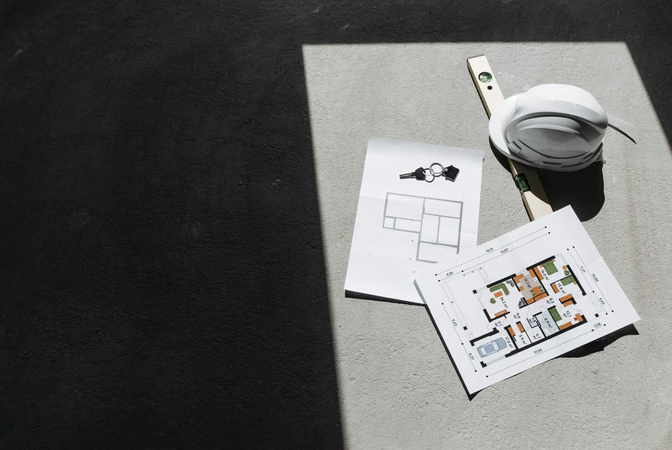
Prefab homes were once associated mainly with basic or temporary structures, but that perception has changed dramatically. Today’s designs often feature open floor plans, energy-efficient systems, natural materials, and sophisticated architectural details. The influence of streaming content has helped highlight these possibilities by showcasing homes that are stylish while remaining practical. Many homeowners are also drawn to the idea of personalization. Modern prefab manufacturers offer a wide range of customization options, allowing buyers to create spaces that reflect their tastes and daily routines without starting from the ground up.
Sustainability Is Becoming a Key Factor
Environmental awareness is another important driver behind the popularity of prefab homes. Many buyers are looking for ways to reduce their ecological impact while creating comfortable living spaces. Factory-based construction can minimize material waste, and many prefab designs incorporate energy-saving technologies and sustainable materials. The connection between sustainability and modern design has become especially visible through media coverage and online platforms. As people learn more about climate-conscious living, prefab homes increasingly appear as a practical solution rather than simply an alternative housing style.
The Future of Homebuilding in a Digital Age
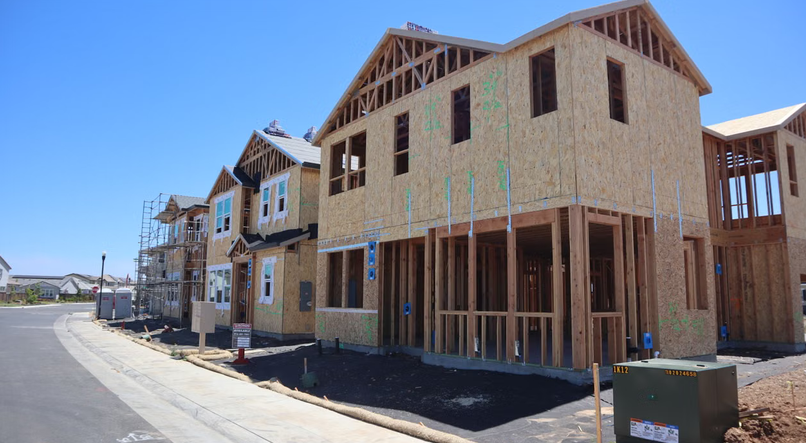
The Netflix effect represents a broader cultural change in how people discover and evaluate ideas. Digital media has made inspiration immediate, allowing homeowners to explore global design trends from their own living rooms. As expectations continue to evolve, the demand for homes that are affordable, attractive, and efficient is likely to grow. Prefab construction fits this new mindset because it combines innovation with convenience. It offers a way for homeowners to achieve the modern spaces they see online while addressing real-world concerns such as cost, time, and environmental responsibility. Netflix and other digital platforms have changed the conversation around home design. By showcasing creative, efficient, and beautiful living spaces, they have influenced what people want from their own homes. Prefab houses have benefited from this shift, offering a modern construction approach that matches today’s priorities. As technology and design continue to advance, prefab homes are likely to become an increasingly common choice for future homeowners.…