

Tips When Implementing Biophile Design in Your Home
Imagine walking into your home and feeling an instant connection to nature. That’s the magic of biophile design. It’s all about creating spaces that reflect the beauty of the outdoors, making your living environment more inviting and rejuvenating. If you visit aachener-zeitung.de/leben/bauen-wohnen/biophiles-design-haus-architektur-von-der-natur-inspiriert/17085222.html, you can learn more about biophile design.
Incorporating elements like natural light, organic materials, and lush indoor plants can transform any space into a sanctuary. Whether you live in a bustling city or a serene countryside area, embracing this design philosophy can enhance your well-being while grounding you in nature’s embrace. Let’s explore some practical tips for weaving biophile design into your home. You’ll find simple yet impactful ways to bring the outside in and create an atmosphere that nurtures both body and soul.
Maximize Natural Light
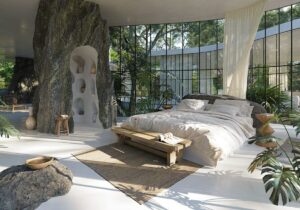 Natural light is one of the most powerful tools in biophile design. It energizes spaces and uplifts moods. Consider large windows or glass doors inviting sunlight inside to make the most of it. Strategically placed mirrors can amplify this effect. They reflect light throughout your home, creating an illusion of spaciousness and brightness. Think about open floor plans, too; they allow light to flow freely from room to room. Avoid heavy drapes that block sunshine—opt for sheer curtains instead.
Natural Materials
Choosing natural materials is a fundamental aspect of biophile design. They bring warmth and authenticity into your space. Think wood, stone, and clay—elements that resonate with nature. Wooden furniture creates a cozy atmosphere. It adds texture and character to any room. Opt for sustainable sources to ensure you’re making an eco-friendly choice. Stone features can enhance your home’s aesthetic appeal as well. Whether it’s a sleek marble countertop or rustic slate flooring, they offer durability while connecting you to the earth.
Indoor Plants
Indoor plants bring life to any space, transforming a room into a vibrant oasis. Their lush greens not only enhance aesthetics but also improve air quality. Choosing the right plants can be fun and rewarding. If you’re new to gardening, consider low-maintenance options like pothos or snake plants. They thrive in various light conditions and require minimal care. Incorporating varying heights and textures creates visual interest. Grouping different species together can add depth while making your indoor garden feel more dynamic. Remember, placement is key.
Natural Ventilation
Embracing natural ventilation is a game changer for any home. It’s all about letting fresh air flow through your living spaces, creating a breathable atmosphere. Start by strategically placing windows and doors to promote cross-ventilation. This simple tactic allows cool breezes to enter from one side while warm air exits the other. Ceiling fans can enhance this effect too. They circulate air without relying on energy-hungry HVAC systems. Consider adding operable skylights as well.
Water Features

Water features can transform any space into a serene oasis. The gentle sound of flowing water creates a calming atmosphere, promoting relaxation and mindfulness. Consider adding a small fountain or pond to your garden. These elements not only provide visual appeal but also attract wildlife. Birds and butterflies will find their way to your peaceful retreat. For indoor spaces, think about incorporating tabletop fountains or aquariums. They bring life and movement indoors while improving air quality.
Embracing biophile design can transform your living space into a serene sanctuary. By focusing on elements that celebrate nature, you enhance the aesthetic appeal of your home and promote well-being and tranquility. Creating a comfortable haven filled with natural elements invites relaxation and joy into daily life. Your home can be more than just four walls; it can reflect the world outside—an extension of nature in your living room or garden.…