
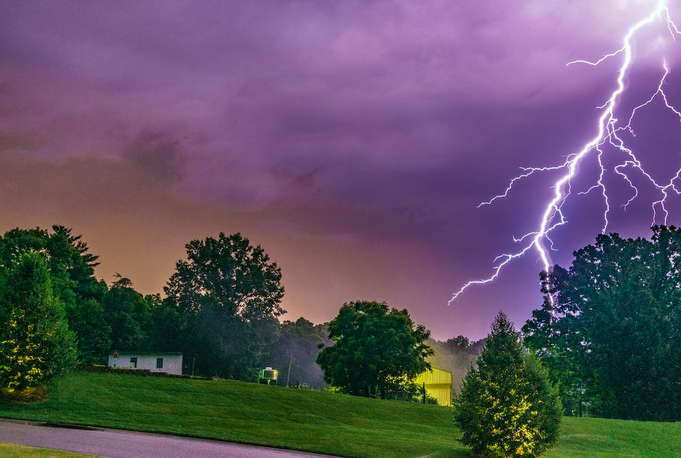
The Ultimate Checklist For Preparing Your Home For A Severe Thunderstorm Or Hurricane
Thunderstorms are a common occurrence during the summer months and can be incredibly dangerous, causing damage to homes and property as well as putting people at risk. Preparing your home is essential to help protect your house and your family during a storm. In this article, we’ll provide you with the ultimate checklist of things you should do to prepare your home for a severe thunderstorm.
Have an Emergency Plan in Place
The first step in preparing your home for a severe thunderstorm is to have an emergency plan. Your goal should include what to do if a storm strikes, including moving to a safe area inside your home or going to a designated shelter location. Ensure everyone in your household knows the plan, where to go, and what to do in an emergency.
Secure Loose Items Outside Your Home
During a severe thunderstorm, strong winds can easily pick up loose items such as patio furniture, garden decorations, and toys and turn them into dangerous projectiles that can cause significant damage to your home or injure someone. Before a storm, secure all loose items outside your home by bringing them inside or connecting them with heavy-duty ropes or bungee cords.
Trim Trees Near Your Home
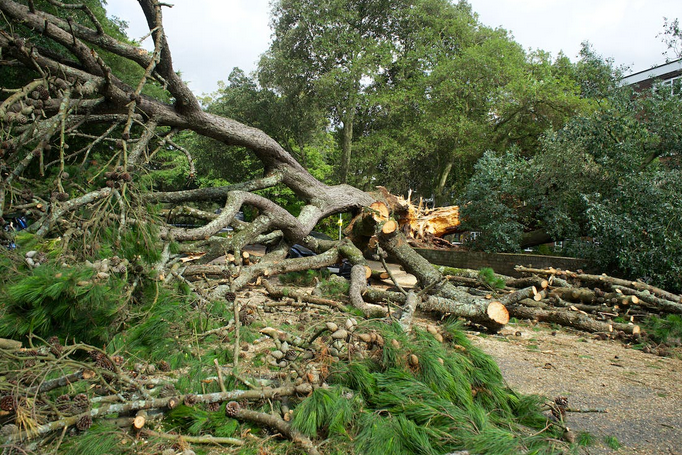
Falling tree branches during a severe thunderstorm can cause significant damage to your home or property and put people at risk. To help prevent this, regularly trim trees or branches too close to your home or power lines. This will help reduce the risk of damage during a storm.
Check Your Gutters and Drainage Systems
If your gutters and downspouts are clogged with debris, they can cause water damage to your home during a storm. Clear out waste from your gutters and downspouts so that water can flow freely away from your home. Also, check your drainage systems regularly to ensure they are working correctly and not blocked by debris.
Preparing your home for a severe thunderstorm can help protect your property and your family. An emergency plan is a crucial first step, followed by securing loose items outside your home, trimming trees near your home, and checking your gutters and drainage systems. Stay informed of any severe weather alerts for your area and take precautions immediately if a storm is approaching. Remember, it’s always better to be safe than sorry, so take the time to prepare your home ahead of time and be ready for whatever Mother Nature throws your way.…