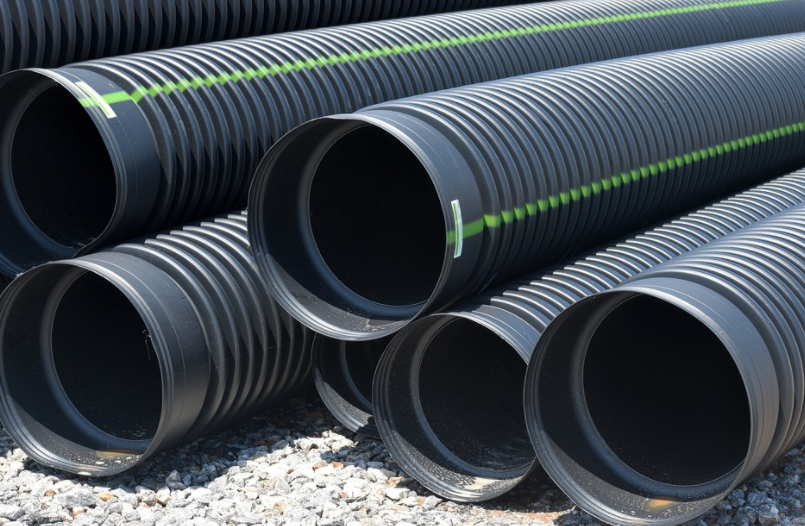
Drainage refers to the removal of excess water from land. If you have drainage pits in your compound, you will need to cover them using manhole covers. This article on https://buildgreennh.com/signs-you-should-replace-your-manhole-cover/ explains more about replacing manhole covers. The drain pipes run from the inspection chamber or first manhole to the septic tank. Before drains can be used, it is important to test them after the pipes are laid. Every section between the manholes must be tested. This should be done at least 12 hours after the jointing of the last pipe. There are many ways to check the system. This will ensure that there are no leakages or foul odors in the system. Herein, we look at home wastewater drainage systems and manhole setups.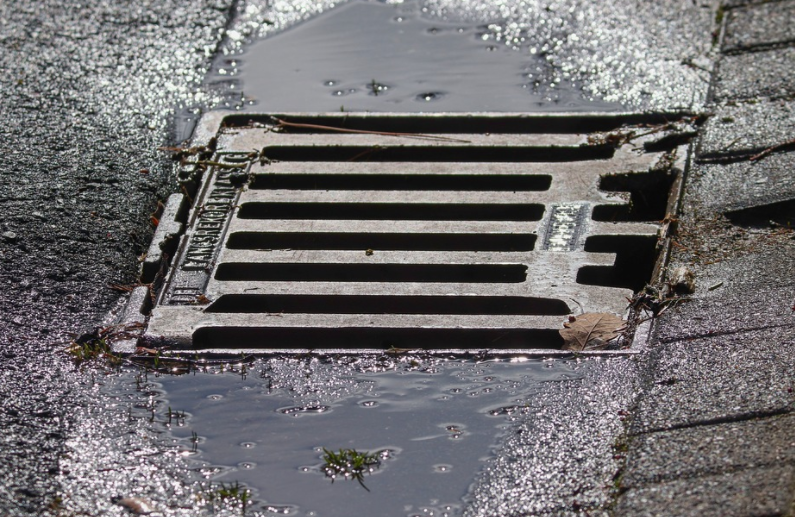
Common Manhole Types
Common manhole extensions measure 15″ and 24″, respectively, to permit access to your tank below grade without needing to dig a hole in the ground. To service and maintain the sewer, manholes should be placed between 100-120m. For convenience sake, it should be noted that sewer water is usually moved by gravity rather than mechanical means (pumping). It is important to understand the topography before laying sewer pipes.
A separate sanitary system has a separate drain that collects household, commercial, and industrial wastewater, and disposes of them. A separate stormwater collection and disposal pipe separate the stormwater. The combined system allows both stormwater and domestic water to be transported through the same pipeline network.
Drainage System Test
 This is the method for testing drainage pipes after they have been laid. The lower end of the pipe is first secured and then all junctions are also secured. The entire length is then filled up with water. The pipe is then filled with water. A stopper is placed at the top, leaving a pipe with a drain plug attached. The pipe is bent at ninety degrees and connected to a tank. Vertical distance should not exceed one meter. This will allow gravity flow.
Water is poured into the tank to test the drainage pipes. It should be kept full for at most three hours. This allows for absorption to occur. The tank is then topped up, and the testing begins. After thirty minutes have passed, check the tank’s water level. The water level should not have dropped in the header tank. The test is acceptable if the water level has fallen below 0.5 m.