
Low-Maintenance Backyard Turf Ideas for Busy Homeowners
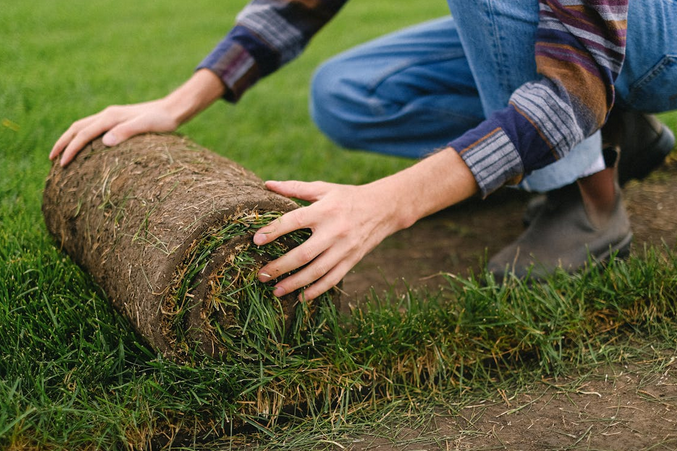
A stunning backyard doesn’t have to take up all your free time. For busy homeowners, low-maintenance turf provides a lush, green space without constant upkeep. The right choice of turf can boost curb appeal, create a relaxing outdoor area, and free up time for other activities. Modern options combine beauty with practicality, and when you check this out, keeping your yard attractive throughout the year will not be a problem at all.
Artificial Turf for Minimal Care
Artificial turf is a popular choice for homeowners seeking a worry-free lawn. It remains green throughout the year without watering, mowing, or fertilizing. High-quality synthetic turf can feel surprisingly natural underfoot and is durable enough to withstand pets and foot traffic. Installation requires initial effort, but long-term maintenance is minimal. Cleaning is simple and can often be done with a hose or brush. Artificial turf provides a unique balance of aesthetics and practicality, making it ideal for busy households.
Drought-Resistant Grass Varieties

Choosing drought-resistant grass species helps reduce watering needs and keeps your lawn looking fresh. Varieties like Bermuda, Zoysia, and Fescue are known for their resilience and minimal maintenance requirements. These grasses thrive in a range of climates while resisting pests and disease. Their slow growth rate reduces mowing frequency, saving time. With proper soil preparation and occasional care, drought-resistant lawns remain lush with very little effort. They are a natural option for homeowners seeking a green space without intensive labor.
Ground Covers as Turf Alternatives
Low-growing ground covers can serve as an attractive alternative to traditional grass. Plants like clover, creeping thyme, or sedum create dense coverage that suppresses weeds and requires less mowing. Many ground covers are drought-tolerant and recover quickly from foot traffic. They also add texture, color, and fragrance to your backyard. Using ground covers reduces water consumption and maintenance costs. This approach offers a creative and practical solution for homeowners who want greenery with minimal upkeep.
Hardscaping Elements
Incorporating hardscaping can reduce the amount of turf you need while enhancing the backyard’s overall design. Pathways, patios, and decorative stones create functional spaces without the need for mowing or watering. Hardscape features also help define zones for entertaining, relaxing, or gardening. Pairing turf with hardscaping maintains visual appeal while limiting maintenance requirements. This strategy ensures your backyard remains usable and stylish throughout the year.
Low-Maintenance Landscaping Borders

Edges and borders help keep turf neat and reduce the effort required to maintain it. Simple edging with bricks, stones, or metal strips prevents grass from encroaching onto garden beds or pathways. Mulched areas around trees and shrubs reduce weed growth and irrigation needs. Clear borders make mowing and trimming easier and quicker. Well-planned landscaping edges contribute to a tidy appearance and simplify routine yard care, giving busy homeowners more free time.
Smart Irrigation Systems
Automated irrigation systems take the guesswork out of watering your backyard. Timed sprinklers and drip irrigation ensure that turf and plants receive the right amount of water without manual effort. Modern systems can be programmed to suit different zones and soil types. Sensors help prevent overwatering and conserve resources. Installing a smart irrigation system complements low-maintenance turf choices. It keeps your lawn healthy and green while reducing time spent on manual watering.
Native Plants With Turf
Integrating native plants around your turf enhances the overall ecosystem and reduces maintenance needs. Native species are adapted to local climate and soil conditions, making them hardy and low-maintenance. They attract beneficial insects and provide natural shading, which can reduce water evaporation. Pairing turf with native plants creates a backyard that feels lush and balanced. It also supports sustainability while minimizing ongoing care, offering an eco-friendly and practical solution.
Even low-maintenance turf requires occasional care to stay at its best. Tasks like trimming edges, removing debris, and monitoring for pests or disease help extend the life and appearance of your lawn. Fertilizing once or twice a year can maintain healthy growth without demanding frequent attention. Regular inspections ensure problems are caught early and resolved quickly. Minimal upkeep routines are easy to integrate into a busy schedule, keeping the backyard looking fresh without becoming a burden.…

 The first thing to check is the build quality. A prefab home should use durable materials like reinforced steel frames, cross-laminated timber, or energy-efficient insulation. Since much of the construction happens off-site, consistency and precision tend to be high, but not all manufacturers follow the same standards. Reviewing warranties, asking about factory processes, and even visiting a model home gives insight into durability. A strong structure not only boosts comfort but also increases resale value down the road.
 The company behind your prefab home plays a critical role in your experience. Researching reviews, completed projects, and years of experience gives confidence in your investment. A reputable manufacturer will provide transparent pricing, clear timelines, and reliable after-sales support. Since prefab homes are still gaining ground in mainstream housing, working with a trusted company ensures the process runs smoothly from planning to delivery. Think of the manufacturer as your partner in building, not just a supplier.
 When relocating with children, the surrounding neighborhood plays just as important a role as the home itself. Look for areas with low crime rates, quiet streets, and sidewalks that make it easy to walk or bike safely. Proximity to parks, community centers, and recreational spaces can also make a huge difference in your child’s daily life. Drive around at different times of day to get a feel for the neighborhood’s energy and see how family-friendly it is. A supportive and secure community helps children feel at home faster.

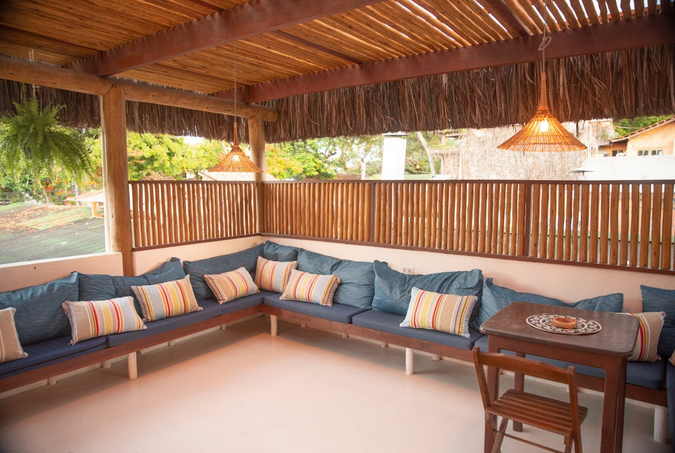
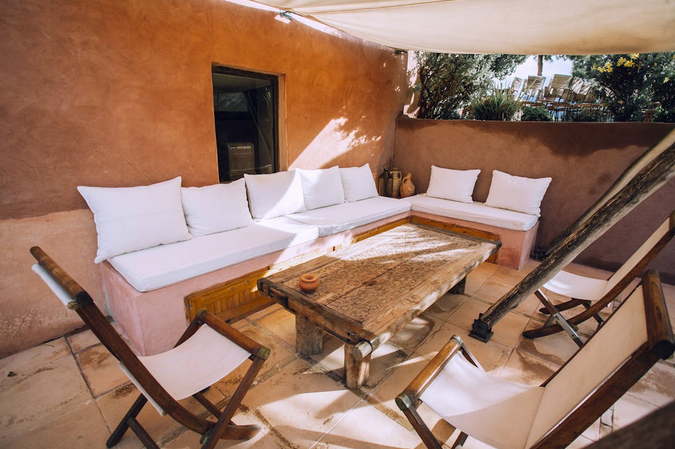


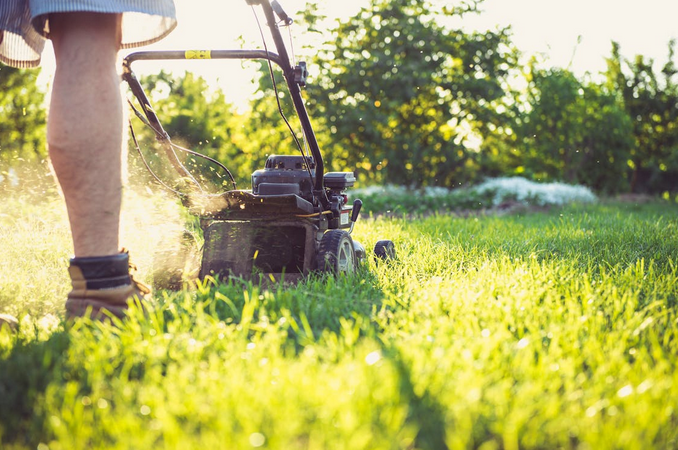
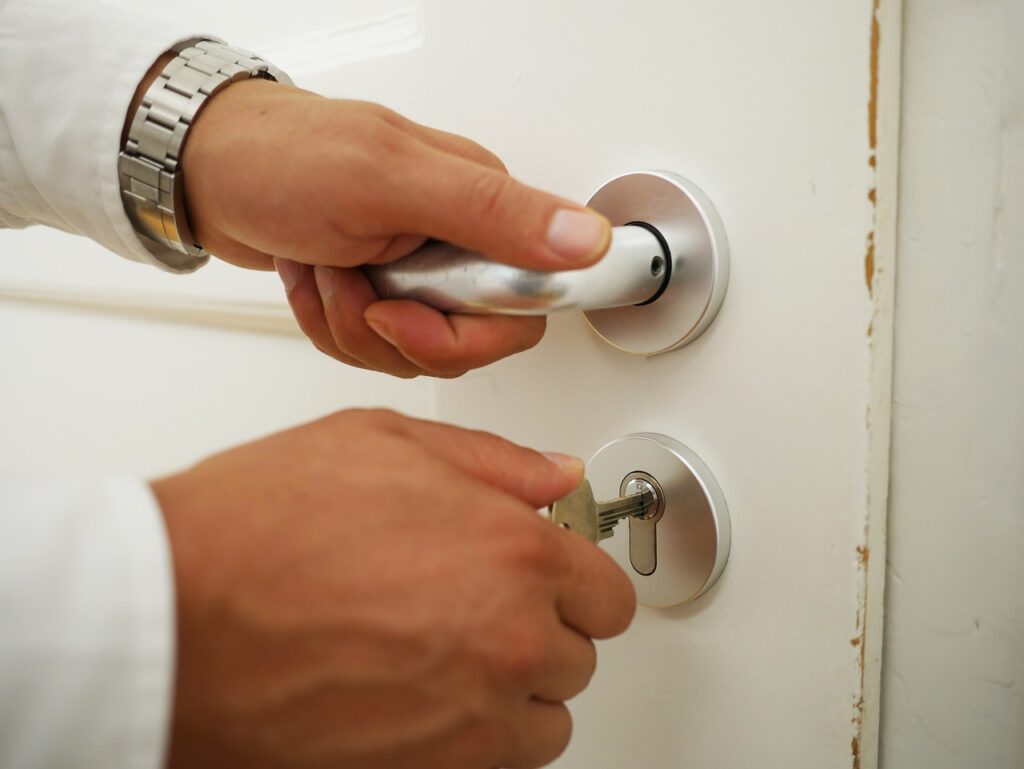
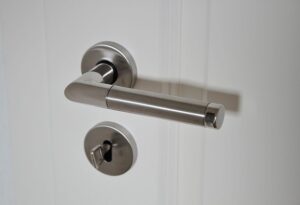 When it comes to securing your home, the choice of door materials plays a vital role. Steel doors are often favored for their exceptional strength. They resist impact and provide an extra layer of defense against intruders. Wooden doors offer both beauty and durability. Solid wood options can be quite sturdy, especially when treated for weather resistance. They add a warm touch while still being formidable against forced entry. Fiberglass doors have gained popularity due to their versatility and energy efficiency. These doors mimic the look of wood but require less maintenance over time. Plus, they stand up well against harsh elements.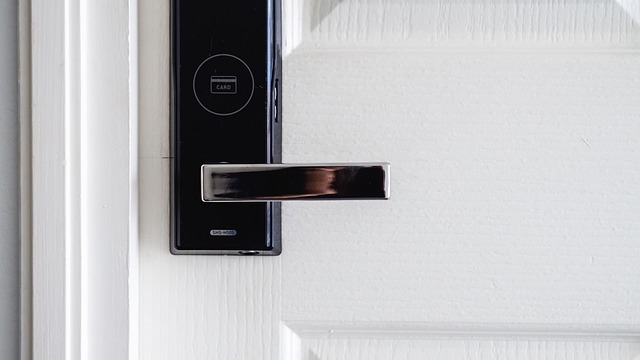
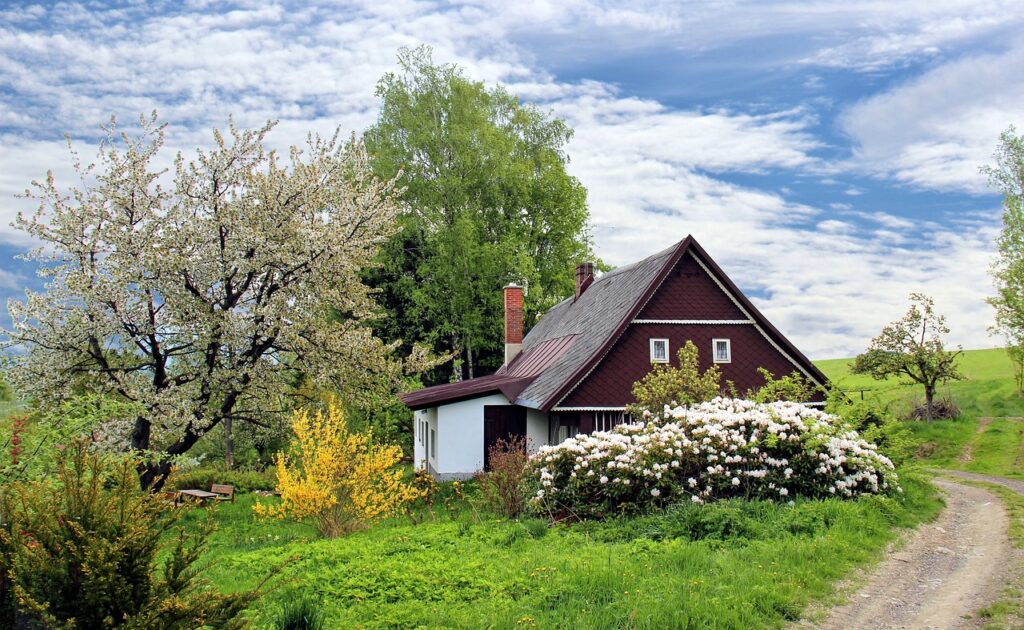
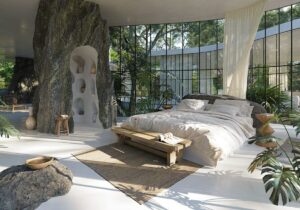 Natural light is one of the most powerful tools in biophile design. It energizes spaces and uplifts moods. Consider large windows or glass doors inviting sunlight inside to make the most of it. Strategically placed mirrors can amplify this effect. They reflect light throughout your home, creating an illusion of spaciousness and brightness. Think about open floor plans, too; they allow light to flow freely from room to room. Avoid heavy drapes that block sunshine—opt for sheer curtains instead.

 Choosing an architect is about more than just their design skills. It’s essential to find someone who genuinely wants to listen and understand your perspective. During initial meetings, pay attention to how they engage with you. Do they ask insightful questions? Are they curious about your lifestyle and preferences? A good architect will prioritize open communication from the start. Express your ideas clearly, but also gauge their responsiveness. If they dismiss or overlook your input, it could signal future challenges in collaboration. After all, trusting someone with the blueprint of your life requires rapport and connection.
 When designing your home, it’s easy to focus solely on the present. However, thinking ahead is crucial. Consider potential changes in your lifestyle. Are you planning to expand your family? A growing household may require additional bedrooms or flexible spaces that can adapt over time. Think about aging, too. Will you need a more accessible layout as you grow older? Features like wide doorways and single-level living can make life easier down the line. Don’t forget about hobbies and interests that might evolve. A dedicated workspace today could transform into a playroom tomorrow or vice versa.



 When it comes to hiring a roof inspector, one of the first things you should consider is their credentials and experience. You want someone knowledgeable and skilled in assessing the condition of your roof. Look for inspectors who have relevant certifications or memberships in professional organizations. These affiliations indicate that they are committed to upholding industry standards. Experience is also crucial when choosing a roof inspector. Ask how long they have been in business and if they specialize in residential or commercial inspections. A seasoned inspector will have encountered a wide range of roofing issues over the years and will be better armed and equipped to identify potential problems.
 Last but not least, you need to understand the scope of their

 When it comes to maintaining a clean and inviting pool, one of the biggest challenges can be dealing with stubborn stains on the tiles. These unsightly marks can detract from the overall aesthetics of your swimming pool and make it feel less inviting for swimmers. But fear not! Hiring a professional pool tile cleaner can provide efficient removal of these stubborn stains.


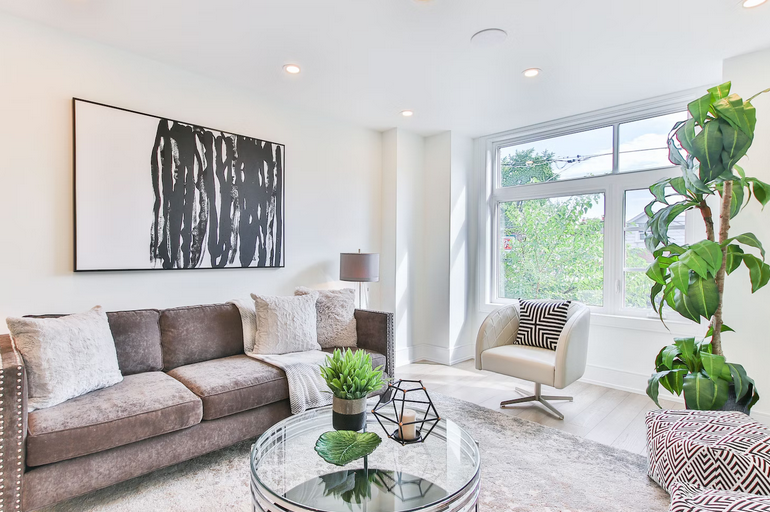
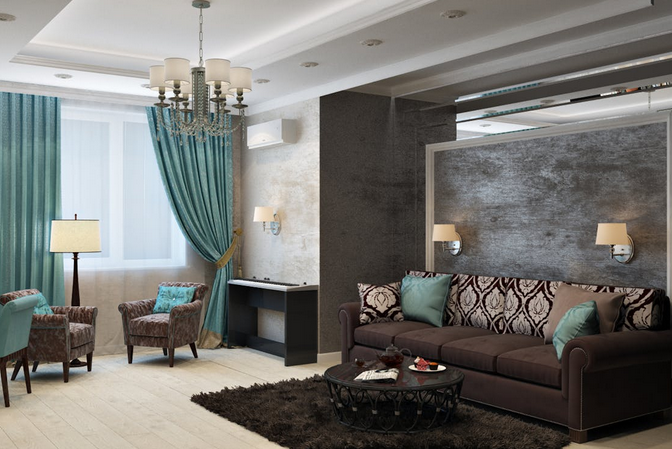
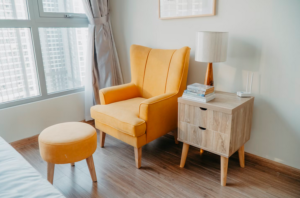 When it comes to maximizing space in small homes, multi-functional furniture is a game-changer. These innovative pieces are designed with efficiency in mind, serving multiple purposes without taking up unnecessary space. One popular example is a sofa bed, which can function as both seating during the day and a comfortable sleeping area at night. This versatile piece eliminates the need for a separate guest room or bulky air mattress, making it perfect for those living in small apartments or studio spaces. Another great option is a coffee table that doubles as storage. With hidden compartments or built-in shelves, you can keep your living room organized while still having a functional surface for drinks and snacks. It’s an excellent way to declutter without sacrificing style.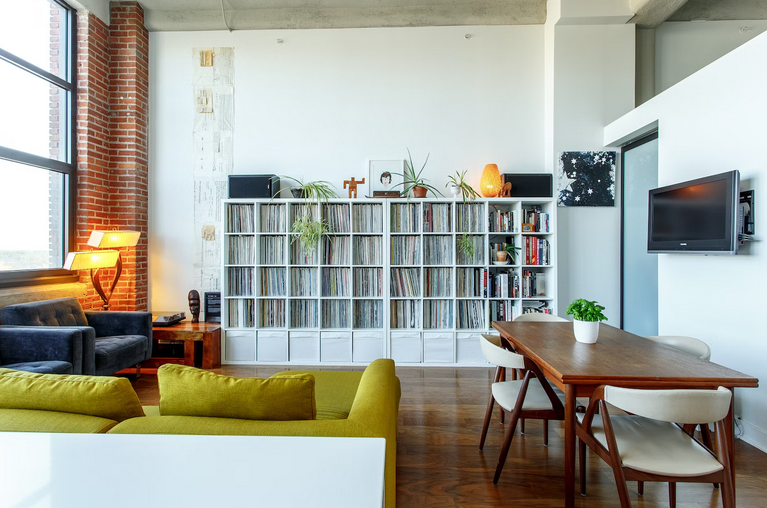


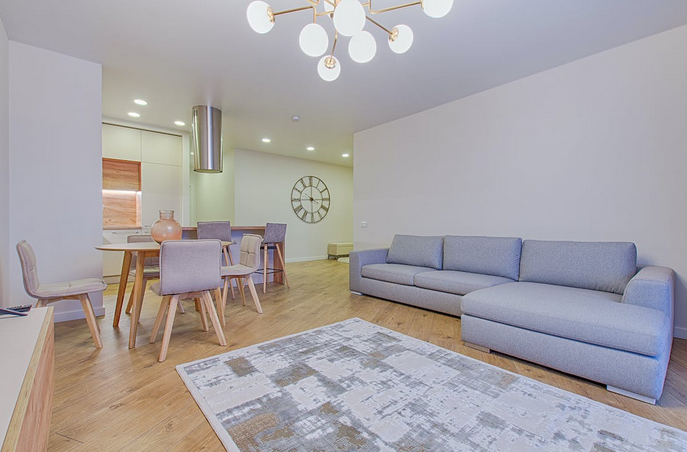
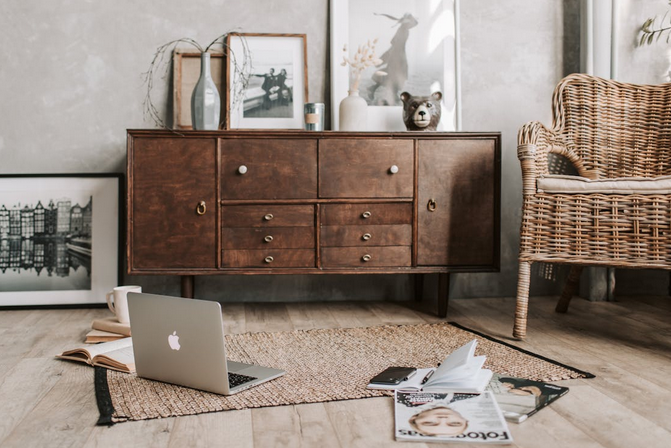
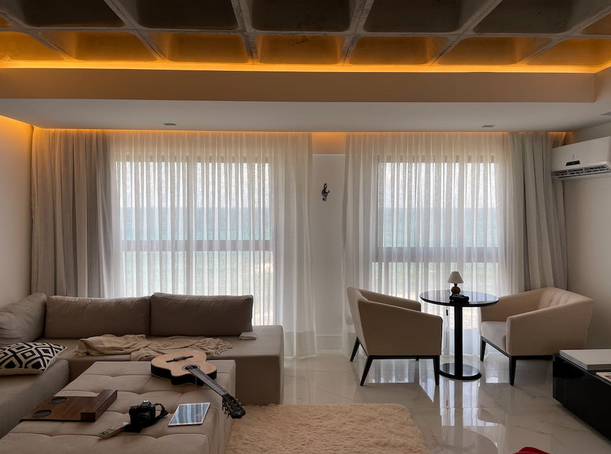 Rugs are essential for adding comfort and warmth to a living room. If you have hardwood floors, a rug is perfect for making them feel more comfortable and inviting. Plus, it will help to absorb sound and reduce noise levels in the room. Choose a rug that’s large enough to fit under all of your furniture, or use smaller rugs to define different areas in the room.
 Rugs are also incredible for protecting your floors from dirt, scratches, and wear and tear. If you have hardwood floors, a rug can help to protect them from getting scratched or damaged. And if you have carpets, a rug can help to keep them clean by trapping dirt and dust before it has a chance to get ground in.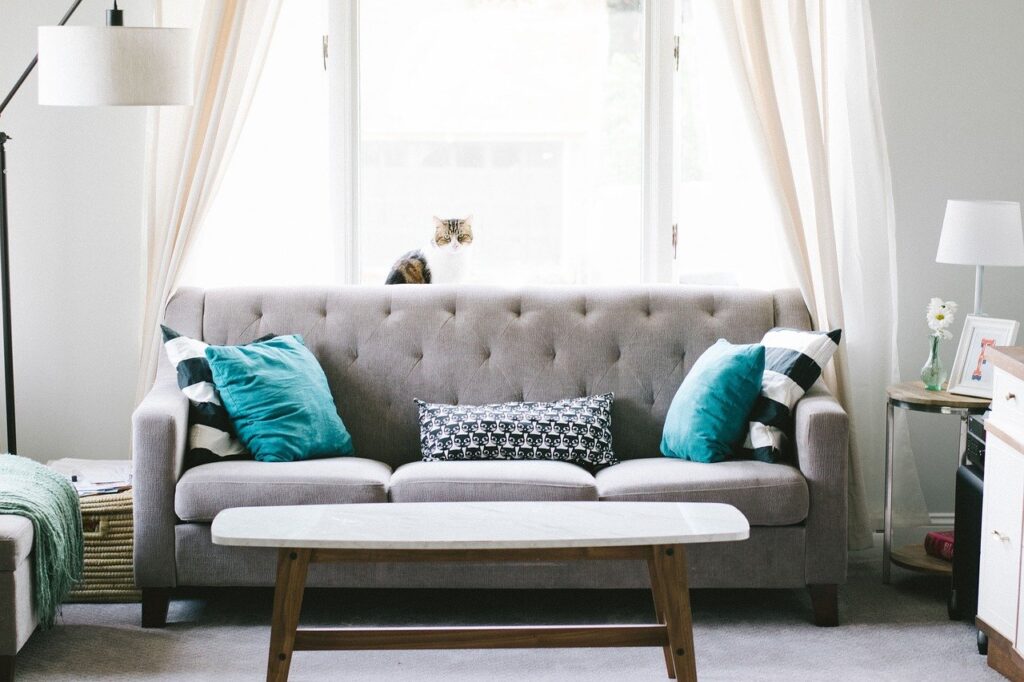
 One tip when designing your home is to make a mood board. This will help you figure out what style you are going for. You can use magazines or online images to create your mood board. Once you have your board, you can start thinking about the colors, fabrics, and furniture that you want to use in your home. A mood board will help you stay on track when designing your home. In fact, it can be a great way to avoid making costly mistakes. Many people make the mistake of buying furniture without thinking about the overall design of their home.
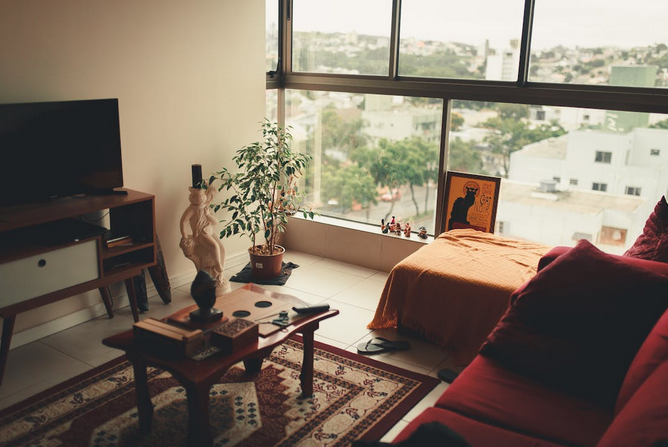
 Lastly, you can add large plants to your home. This is a great way to make your space more inviting. Plants can also help purify the air in your home. You can always buy fake plants if you don’t have a green thumb. There are many realistic options available these days. They are also easier to take care of than real plants. This is because you do not have to do anything to them. You just have to dust them off every now and then. Many celebrities have fake plants in their homes. If you’re in the market for a new home or are just starting to think about it, following these tips will help make the process easier and less stressful.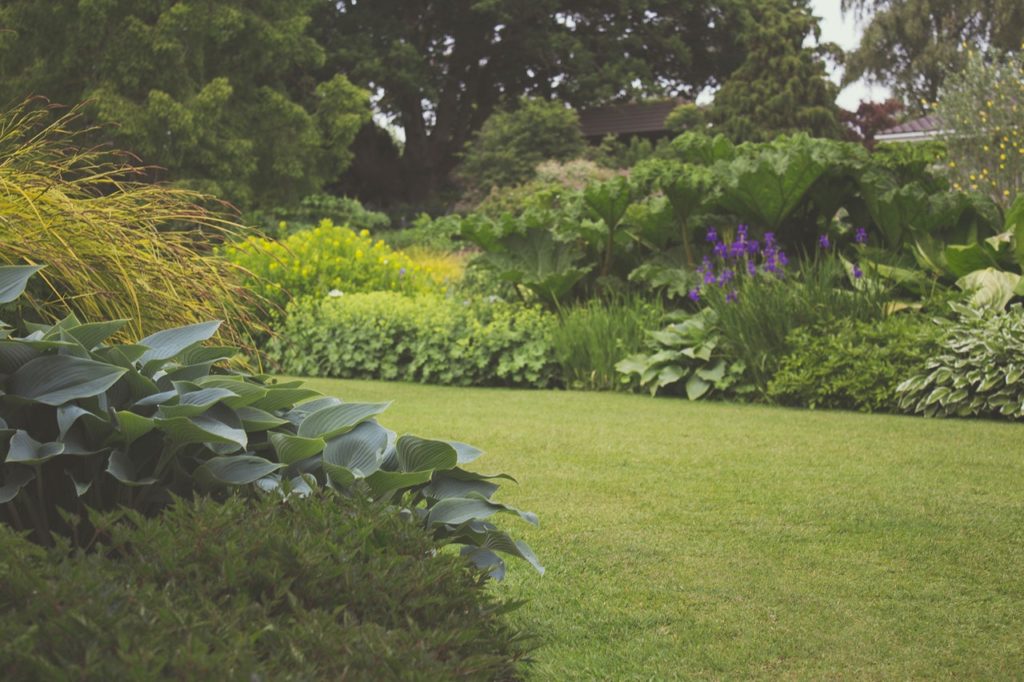
 Finally, once you’ve planted your tree, keep it well-watered for at least a month after. Watering is essential because it helps the roots take hold and grow properly. After the first month, you can gradually reduce the amount of water you give it. But be sure to check the soil regularly. If it’s dry, water it. All in all, planting a tree is a great way to improve the appearance of your home and increase property value. But before you do, there are a few things you need to do to make sure the process goes as smoothly as possible. Be sure to check the condition of your soil, pick the best spot for your tree, plant it high, and keep it well-watered for at least a month after.…
 Buying a home is a big decision requiring knowledge about different properties, like condos and apartments. As a fresh graduate, it is an excellent time to start learning about the other housing options available and the pros and cons of each.
 Every fresh graduate will start with an entry-level job, and it is essential to aim high when looking for one. Do your research and find out what companies offer the best salaries and benefits.
 Front doors are often overlooked when it comes to home improvement, but they can make or break a home’s aesthetic. By painting your front door with bright colors like reds and oranges, you’ll instantly add curb appeal to your house. This is an easy way to upgrade any space in just one day while adding some color.
 Adding an outdoor rug to your patio is a great way to add color and personality. It can also help protect your deck or patio from wear and tear, especially if you have kids or pets. Be sure to choose a rug that’s made for outdoor use, as regular rugs will quickly deteriorate in the elements.
 One of the most significant benefits of selling your home for cash is that you do not have to make repairs or upgrades. If you are having trouble selling your property, it could be due to needing some update or repair work completed before it can sell. A majority of potential buyers want move-in-ready homes and will not buy a home that needs work done on it. Buyers are looking for homes that can be purchased and lived in right away, which is where a cash home buyer comes into play!
 One of the best benefits of selling your home to a cash home buyer is getting your cash much faster. There are many different parties involved with a traditional sale, and it can often take months for everything to go through. When you sell your home to a cash home buyer, the entire process is quick and efficient – you will have your cash in your hand within days. Since selling a home can be such a stressful and complicated process, it is essential to weigh all options before making any decisions. While traditional sales are still an option, they often take months or years for everything to go through – which means that you will have been living with this burden on your shoulders for a long time.
 Did you know that a survey in 2021 revealed that 60% of people preferred gaming chairs to their couches? Even if you don’t play video games, you can still use a gaming chair from an online store to sit more comfortably while watching TV, reading a book, or using your computer.
 As more people have access to smart devices like laptops or tablets at home, there has been an increase in digital eye strain cases. Fortunately, gaming chairs are designed with features like a headrest and armrests that support your neck and arms in the correct position.
 Not only can gardens improve the aesthetics of your home, but they can also provide fresh vegetables and fruits. It is a great way to get healthy foods into your diet, and it can save you money on groceries. You will know exactly where your food came from, and you will be able to reduce your grocery store visits.
 Gardens provide benefits throughout all seasons of the year. In warmer weather, they can be great places to relax outdoors on nice days, while in colder months, plants will insulate your house and provide a natural source of heat. Gardens can also attract beneficial insects and birds, which will help with pest control.