
You can open every window in the house and still end up with air that doesn’t feel fresh. That’s one reason Immoportal has highlighted how timber construction supports energy-efficient living while encouraging healthier indoor environments through thoughtful building choices. Better indoor air isn’t the result of one expensive upgrade. It’s the outcome of smart decisions made from the very beginning of a home’s design. And those smart decisions can come from these smart timber home design choices. Explore these choices and pick the best for your home.
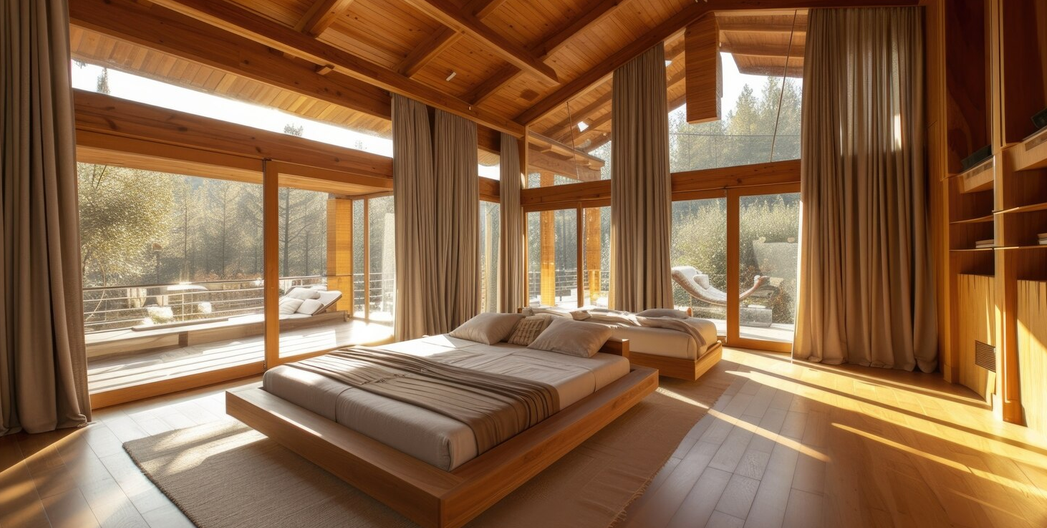
Choose Natural Building Materials Whenever Possible
The materials inside your home have a bigger influence on indoor air than many people realize. Timber, combined with low-emission finishes and natural insulation, helps reduce the release of unwanted chemicals into living spaces. Cleaner materials create a more pleasant environment from the day you move in. Think about how much time you spend indoors every week. Bedrooms, living rooms, and home offices become healthier places when walls, floors, and furniture contribute less to indoor pollution. It’s a quiet benefit that often goes unnoticed until people experience the difference firsthand. Good air simply feels comfortable.
Build for Better Airflow
Fresh air needs room to move. A well-designed timber home encourages natural ventilation by placing windows, doors, and shared spaces where air can circulate more effectively. Instead of trapping stale air inside, the layout helps replace it throughout the day. Every room feels fresher without relying entirely on mechanical systems. Cross ventilation is especially valuable during mild weather. Opening windows on opposite sides of the house creates a gentle breeze that refreshes the entire space. It’s one of the oldest design ideas around, yet it remains one of the most effective.
Control Moisture Before It Becomes a Problem
Indoor air quality isn’t only about dust or odors. Excess moisture can encourage mold growth and make rooms feel heavy and uncomfortable. Timber homes built with proper insulation, ventilation, and moisture management help reduce those risks before they become expensive problems. Kitchens, bathrooms, and even laundry rooms need extra care. Exhaust fans, well-placed windows, and quality ventilation systems remove damp air before it lingers. The result is a healthier indoor environment and fewer concerns about hidden moisture inside walls or ceilings.
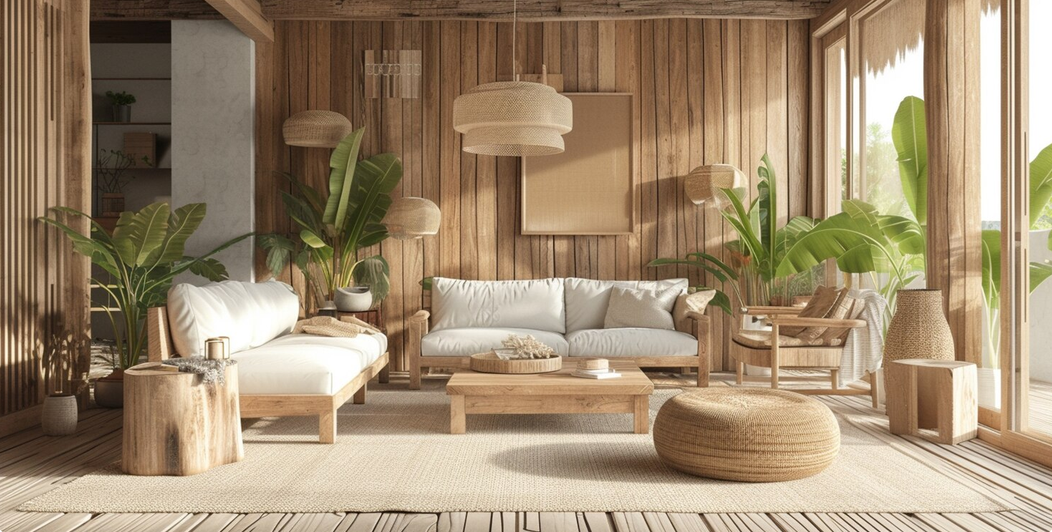
Bring Nature Indoors Without Overcrowding the Space
Timber already creates a natural connection with the outdoors, but thoughtful interior design strengthens that feeling even more. Houseplants, generous daylight, and natural fabrics work beautifully alongside wooden finishes. Together, they create rooms that feel calm, bright, and welcoming throughout the year. There’s no need to turn your living room into a greenhouse. A handful of well-placed plants combined with large windows often creates the same relaxing atmosphere without adding unnecessary maintenance. The goal is to make nature part of everyday life instead of treating it like decoration.
Combine Comfort With Long-Term Performance
A healthy home should continue performing well long after construction ends. Timber construction supports energy efficiency, while good ventilation, natural materials, and moisture control help maintain cleaner indoor air through every season. These features collaborate quietly in the background. You notice the comfort far more than the systems creating it. That’s one reason timber homes continue to appeal to homeowners looking beyond appearance alone. Beautiful interiors matter, but so does the quality of the air your family breathes every day. Choosing materials and layouts that support healthier living creates benefits that last for years.