
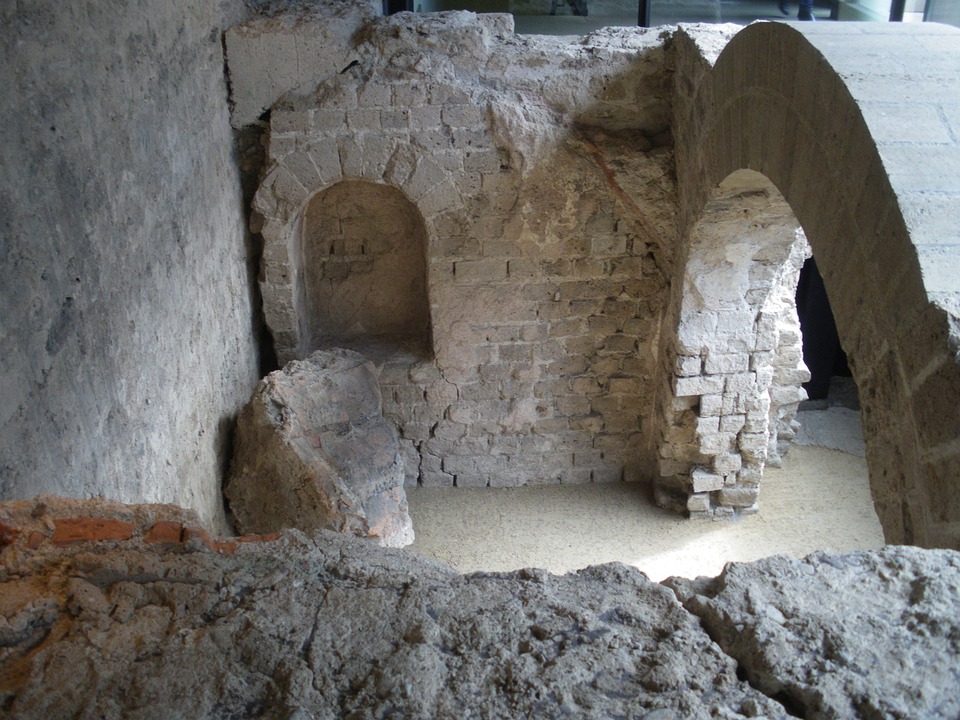
General Information About Foundation Inspections
A building foundation refers to the lower part of a construction structure. These foundations are either shallow or deep and are used to transfer the building’s gravity to the earth’s surface. Tall buildings require deep foundations to ensure the stability of the building and ensure that the weight of the building’s materials is well distributed. However, with continued use of the building structure, the foundation may become bowed, tipped and cracked. This necessitates that regular inspections are undertaken for uneven foundations and calling into action substantial repairs and reinforcement that protects the building against further deterioration. Click on the highlighted link for more information on Arizona Home Foundation Repair.
Timely identification
Proper and timely identification of house foundation problems may avert costly repairs. Therefore, allowing experts to conduct regular foundation inspections may assist to avoid small concerns becoming potentially huge problems that affect the structural integrity of the building. Foundation inspections can be conducted inside or outside the building. Most common indicators of foundation problems can be identified y sticky windows that fail to fully close, or doors that fail to latch as before or jam when closing and more worrying having cracks on the floor and walls. Foundation faults on the outside can be evaluated by sighting the straightness of the foundation wall from up to down or from side to side.
Wall leaning
Moreover, checking the level of wall leaning may also assist to identify whether the foundation is compromised by the structural weight of the building materials. Most poured concrete and block foundations might show signs of bulging or curving which indicates that the foundation may have shifted or the earth may be contracting or expanding which puts pressure on walls. Additionally, foundation inspection may reveal signs of weaknesses on perimeter concrete foundations especially where chipping or flaking is witnessed. Using the right equipment to measure whether the poured concrete is hard enough acts as a way to check the strength of the foundation structure.
Chipping, breaking, or flaking
Where chipping, breaking or flaking occurs, it is a sign that the concrete is not hard or it is deteriorating due to the concrete mixing with salty sand or dirt. Moreover, when setting a foundation one can observe how the concrete cures and observe whether there is shrinkage that may result in cracking. Serious foundation cracks that should be observed during foundation inspections include; hairline cracks found in the motor, cracks at the L-shaped sections, horizontal cracks in the foundation as well as cracks found on the masonry joints of a staircase. Hence, finding the best professional opinion from structural engineering experts may assist limit structural damage and reduce fixing foundation costs.
…
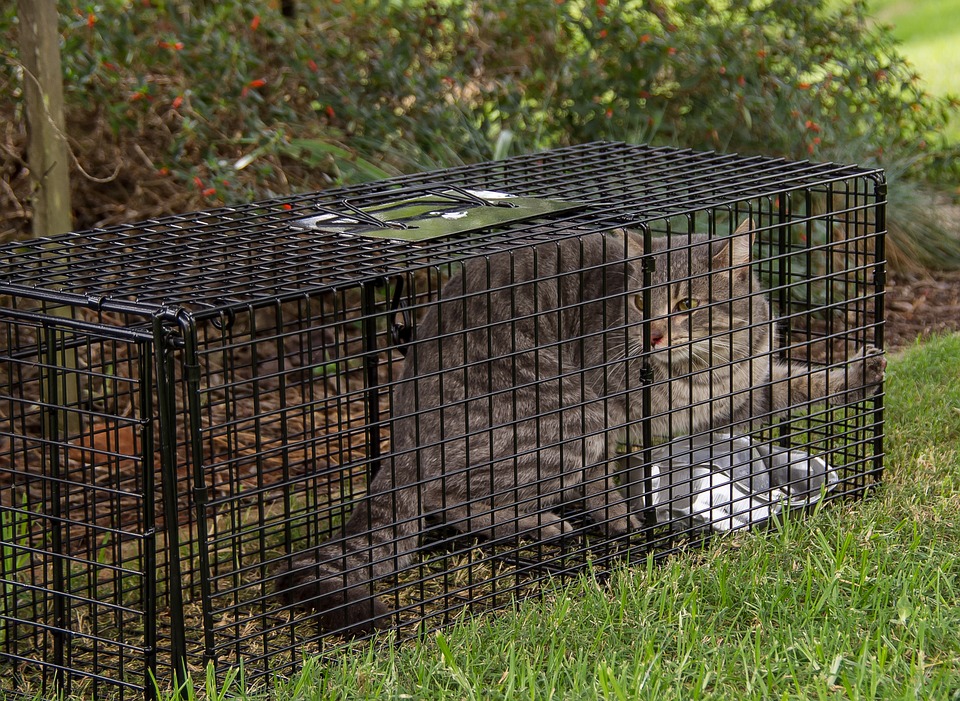
 The leg-hold trap is also termed as a restraining trap. The trap is used commonly on animals such as wolves, foxes, raccoons, bobcats, lynx and coyotes. The area where the trap is set is where the animals move from one destination to another. The animal is usually confined by its limp whereby in the process the pelt remains intact. Some of the individuals who engage in the fur business refer the leg-hold trap as the foot-hold trap.
 The snare trap is commonly referred as a cruel trap which is used on animals such as foxes, wolves, and coyotes. Its structure or design is simple which causes the animal to undergo immense suffering when trapped. It consists of a wire loop which is located in the area of movement of the animal whereby the trapping is achieved when the animal walks through it.…